

Sales & Service
AHU/FAHU/FCU/PHE
Sales and service of HVAC components like Air Handling Units (AHU), Fresh Air Handling Units (FAHU), Fan Coil Units (FCU), and Plate Heat Exchangers (PHE) are crucial elements in the functioning of centralized HVAC systems, particularly for large commercial and industrial buildings. Here’s a breakdown of each component and the associated sales and service:
1. Air Handling Units
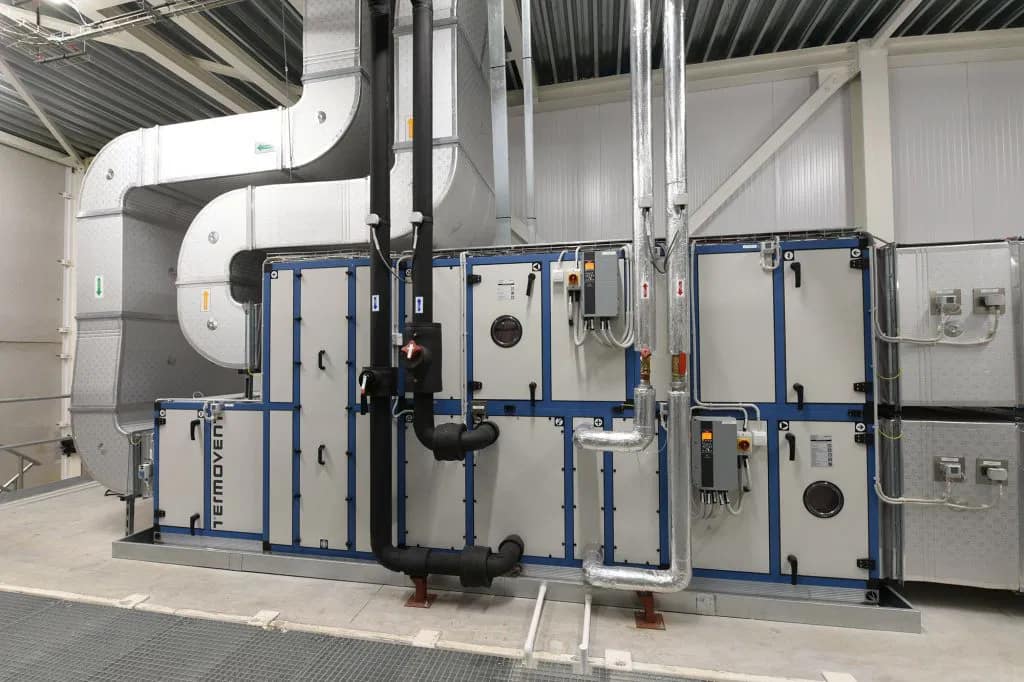
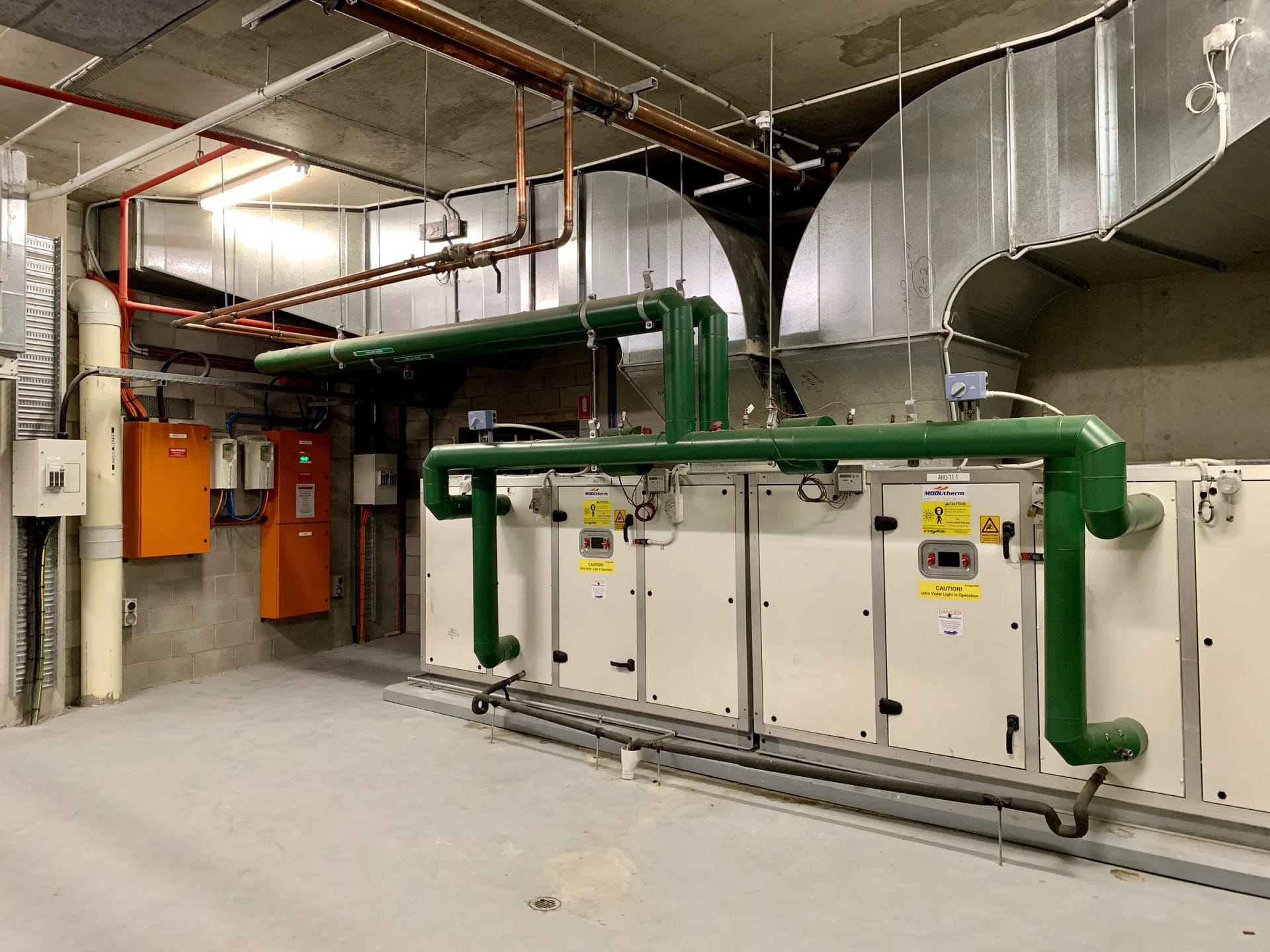
AHUs are large devices used to condition and circulate air as part of an HVAC system. They typically work with a system of ductwork and deliver fresh or recirculated air throughout a building.
Sales:
-
Types: AHUs come in various configurations, from single-zone to multi-zone units, depending on the building's size and air quality requirements.
-
Components: AHUs include fans, filters, dampers, coils, and humidifiers, all of which are crucial for optimal performance.
-
Customization: AHUs are selected based on parameters like air volume (CFM), static pressure, heating and cooling capacity, and system layout. Custom AHUs can be tailored to meet specific design needs.
-
Energy Efficiency: When selling AHUs, you must also consider the energy efficiency ratings and integration with energy-saving technologies like variable speed drives (VSD) for fans.
Service:
-
Routine Maintenance: Regular filter replacement, coil cleaning, fan inspection, and motor lubrication.
-
Troubleshooting: Diagnosing issues like fan motor failures, sensor malfunctions, or airflow problems.
-
Repairs and Replacements: Replacement of faulty components, including fans, coils, filters, and dampers.
-
Upgrades: Upgrading to higher-efficiency models or integrating new technologies (like smart controls) for better performance.
2. Fresh Air Handling Units
FAHUs are similar to AHUs but specifically designed to handle fresh outdoor air intake, often used for ensuring proper ventilation in buildings.
Sales:
-
Outdoor Air Integration: FAHUs are designed to bring in and filter outdoor air, which is vital for ensuring good indoor air quality (IAQ) in commercial and industrial environments.
-
Filtration: FAHUs come with high-quality filters (e.g., HEPA filters) to remove pollutants, allergens, and particulate matter from the fresh air before it is distributed.
-
Airflow and Pressure Requirements: It's important to choose FAHUs based on the required fresh air volume (typically calculated by the building’s occupancy) and static pressure.
Service:
-
Cleaning and Inspection: Cleaning filters, checking heat exchangers, fans, and inspecting for any blockages in ducts.
-
Fresh Air Ventilation: Ensuring that the FAHU is properly ventilating fresh air into the system and not causing negative pressure or issues with the building’s HVAC system.
-
Energy Efficiency Optimization: FAHUs often use energy recovery systems (like heat recovery ventilators) to pre-condition incoming air. Servicing this functionality ensures energy savings and optimal performance.
3. Fan Coil Units
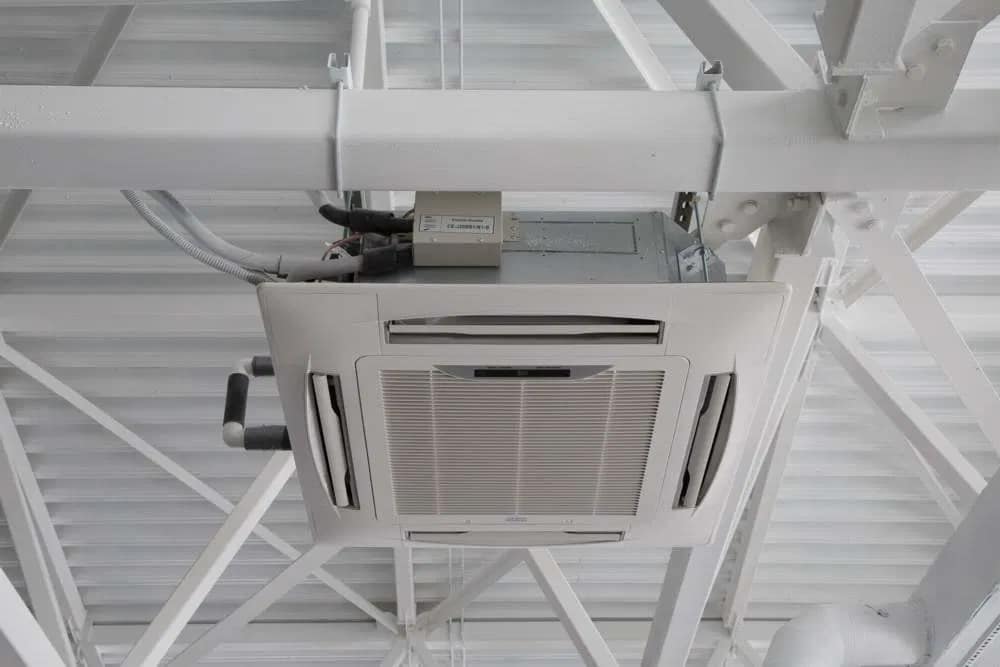
FCUs are smaller, more localized units that provide cooling and heating in individual rooms or spaces. They are commonly used in hotel rooms, offices, and residential applications.
Sales:
-
Types: FCUs can be classified based on their application: ceiling-mounted, floor-standing, or ducted. Selection depends on the room's layout, available space, and design needs.
-
Capacity: These units are selected based on the required cooling or heating load, typically expressed in tons or kilowatts.
-
Control Options: Modern FCUs come with advanced controls for temperature, humidity, and fan speed. They can also integrate with building automation systems (BAS).
Service:
-
Cleaning & Maintenance: Regular cleaning of filters, coils, and fans to ensure proper airflow and prevent issues like overheating or poor air quality.
-
Inspections: Checking for leaks in refrigerant lines, ensuring proper drainage of condensate, and verifying thermostat functionality.
-
Repairs: Replacing motors, fan blades, and filters, or addressing refrigerant leakage issues.
4. Plate Heat Exchangers
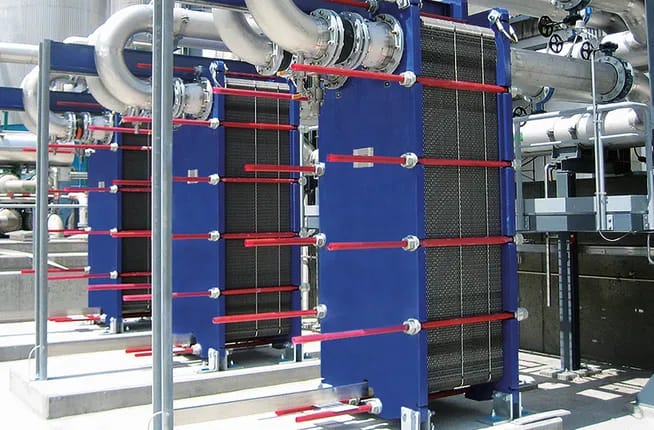
PHEs are used to transfer heat between two fluids, typically water, in heating and cooling processes. They are efficient and widely used in commercial HVAC systems, industrial applications, and district cooling systems.
Sales:
-
Types of Plate Heat Exchangers: PHEs come in gasketed, welded, or brazed configurations. Gasketed PHEs are the most common and allow for easy cleaning and maintenance.
-
Materials: PHEs can be made from stainless steel, titanium, or other corrosion-resistant materials depending on the fluid and temperature.
-
Heat Transfer Capacity: The selection of a PHE is based on the desired heat transfer rate, fluid flow rates, temperature differentials, and system design.
-
Applications: PHEs are ideal for HVAC applications where cooling or heating efficiency is crucial, such as in chilled water systems, heating systems, or district cooling.
Service:
-
Cleaning & Maintenance: PHEs need regular cleaning to prevent scale buildup, corrosion, or fouling of the plates. Cleaning involves disassembling the unit, inspecting for damage, and chemically cleaning the plates.
-
Leak Inspection: Since PHEs work with high-pressure fluids, leaks must be inspected regularly, particularly at the gaskets or plate seals.
-
Plate Replacement: If the plates are damaged or corroded, they may need to be replaced.
-
Efficiency Monitoring: Checking the performance of the heat exchanger to ensure it is operating within design parameters and delivering optimal energy efficiency.