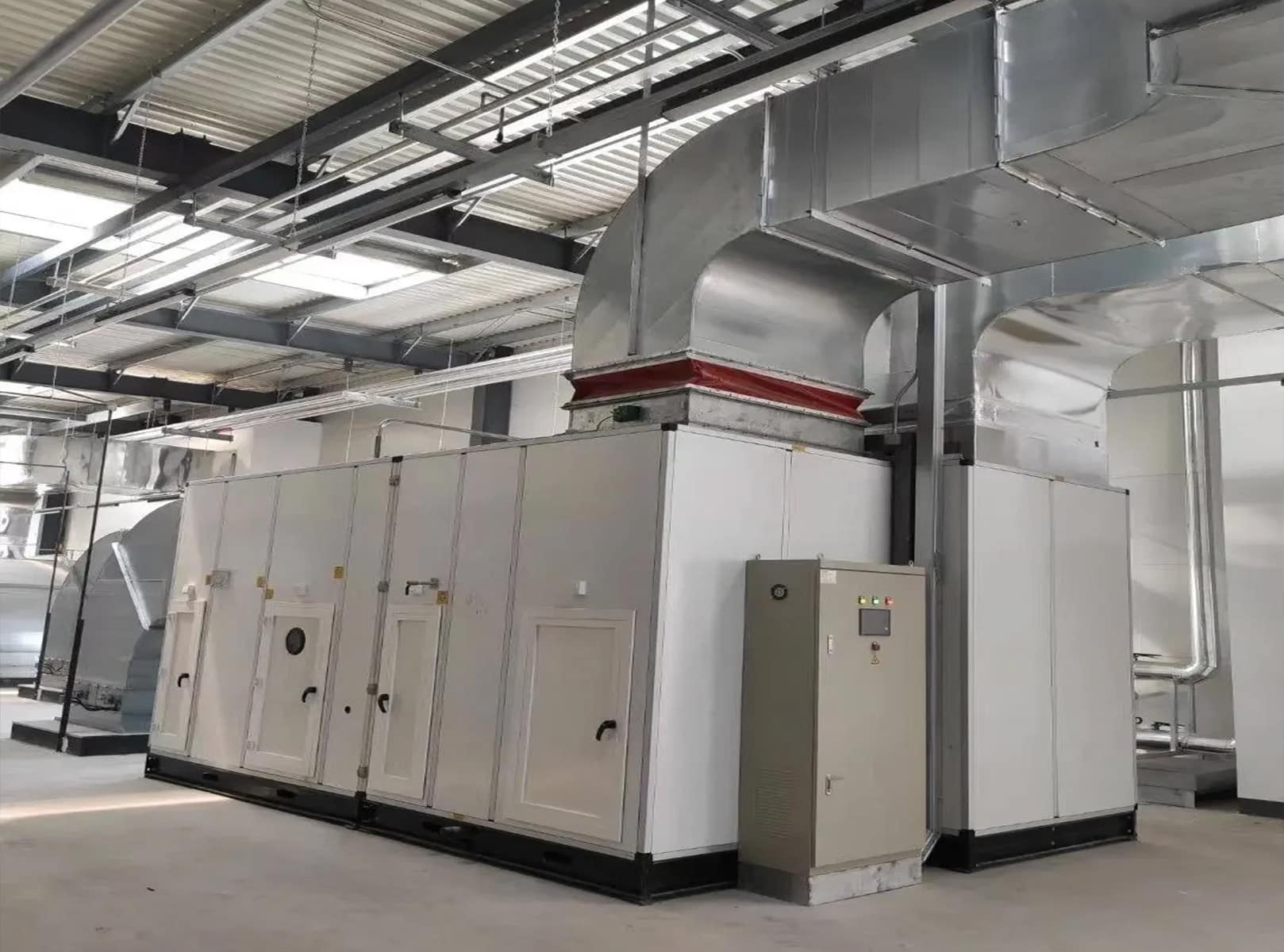


AHU/FAHU Upgrades & Refurbishment
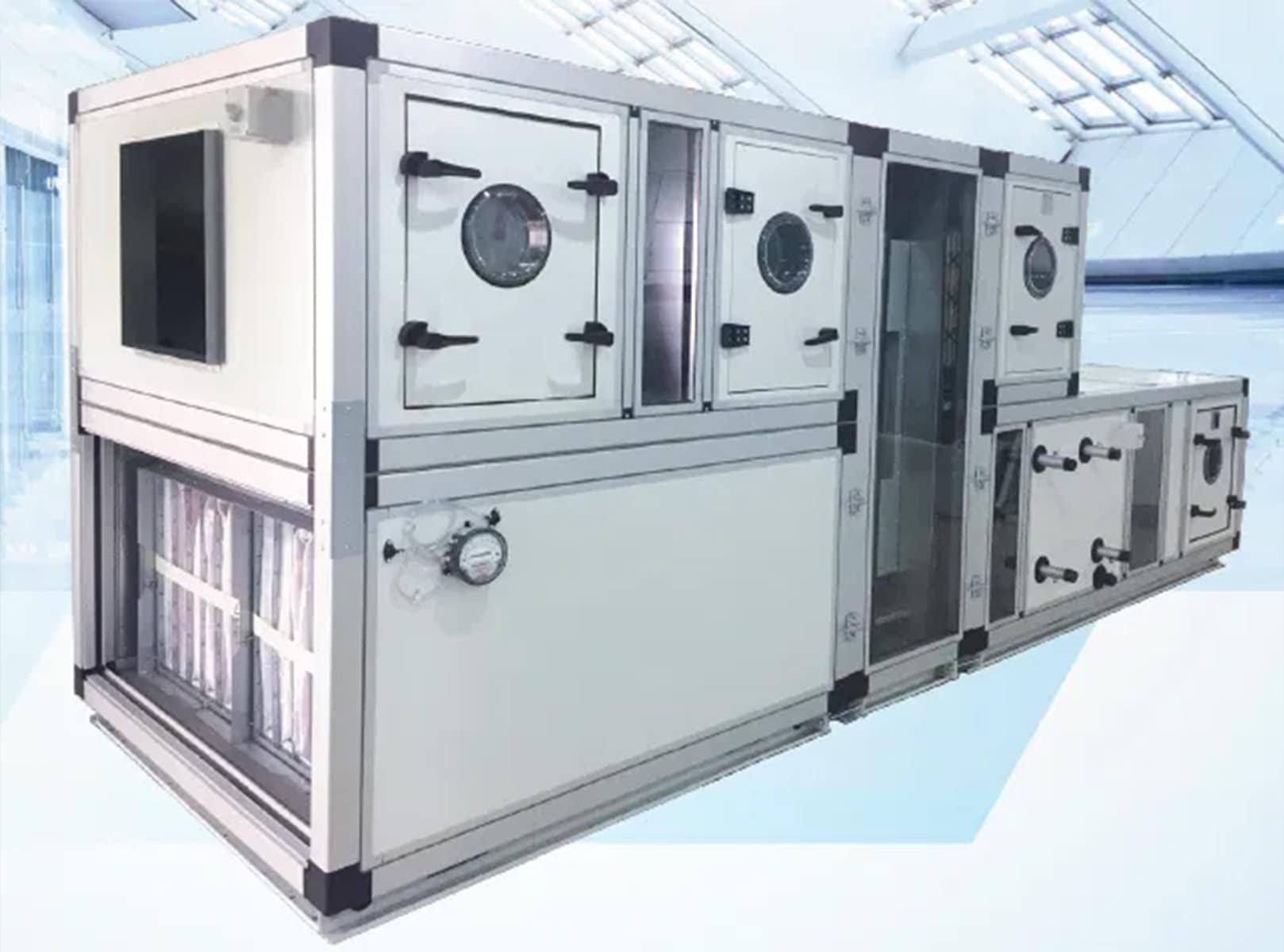
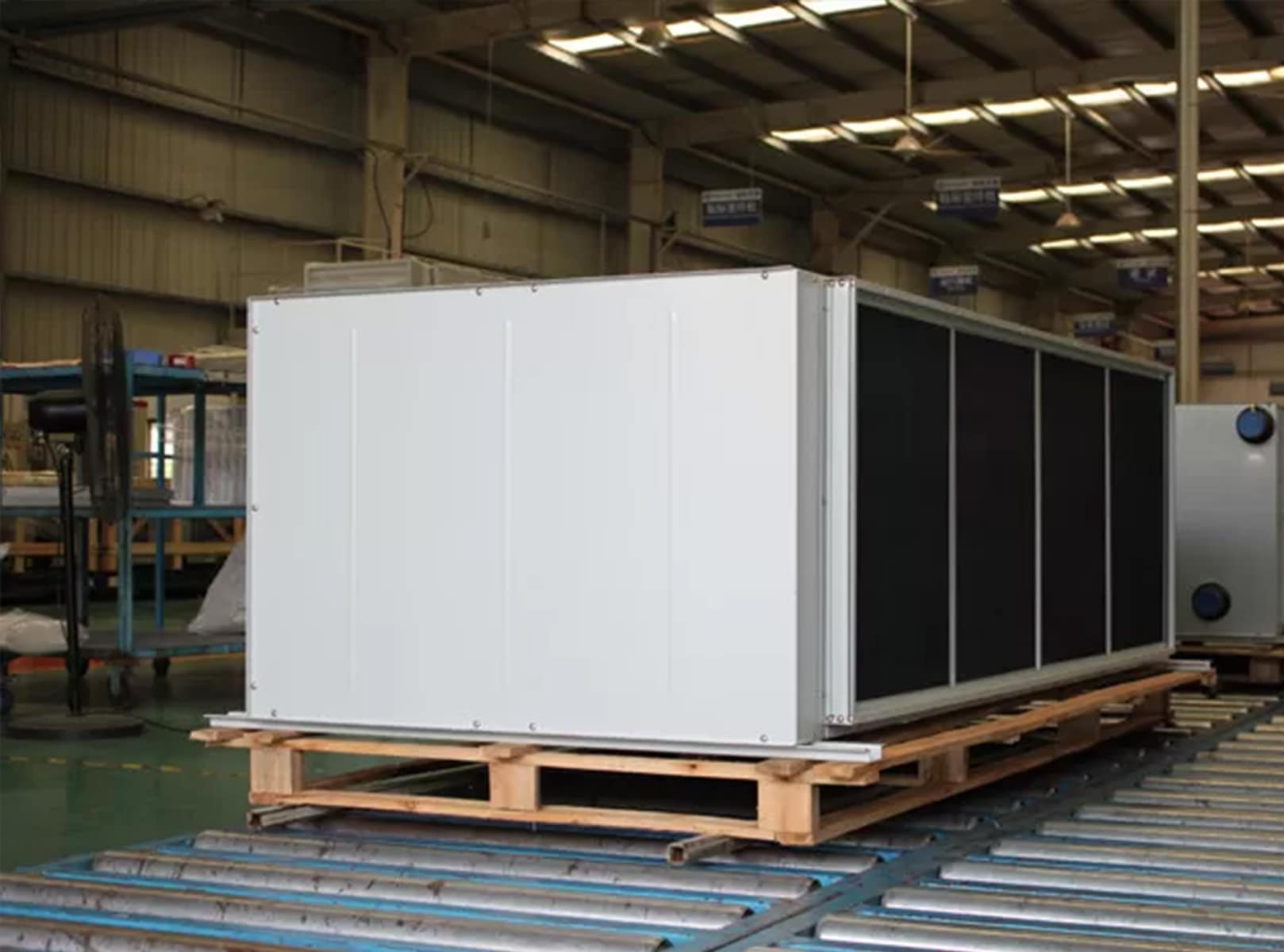
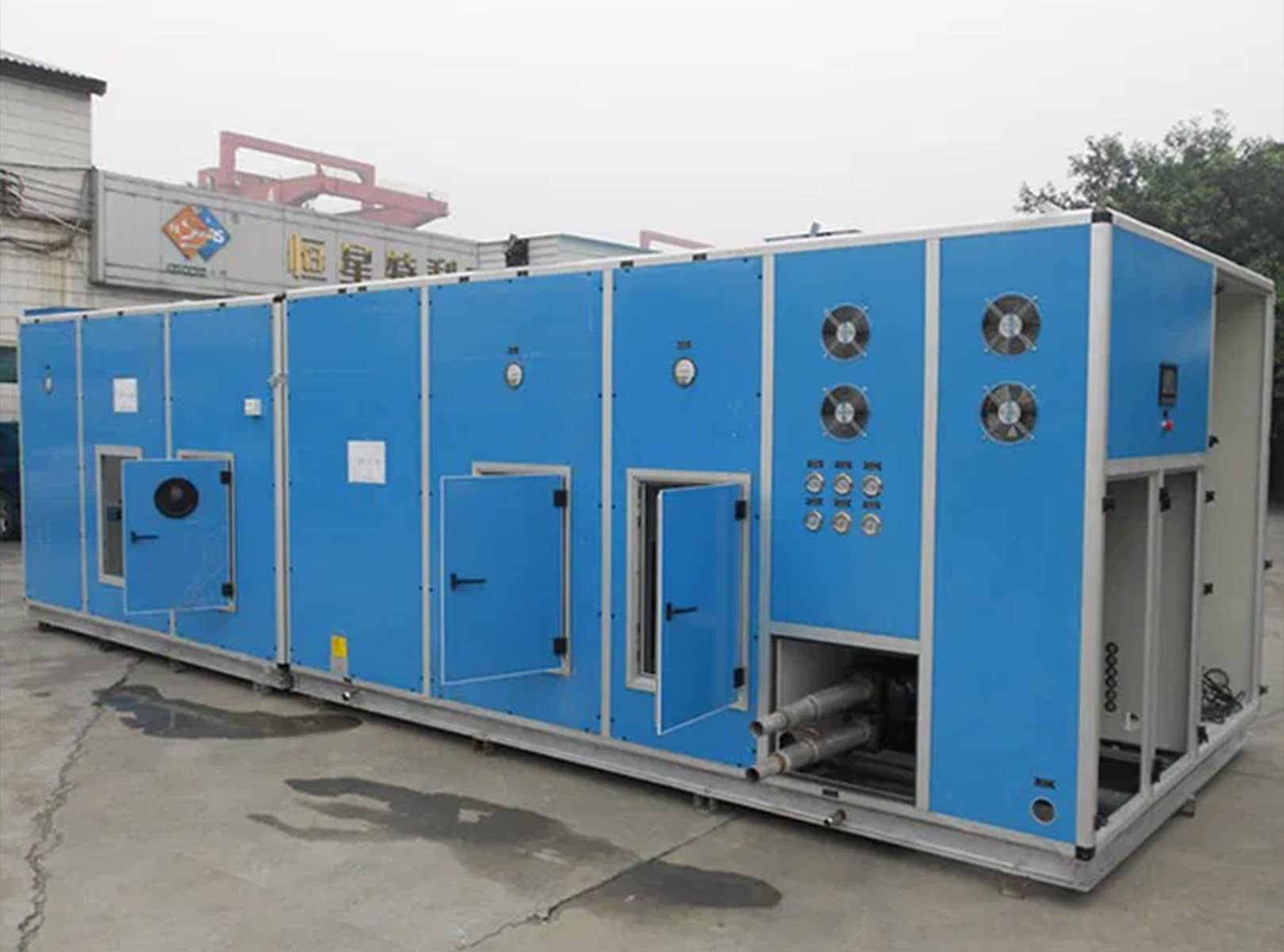
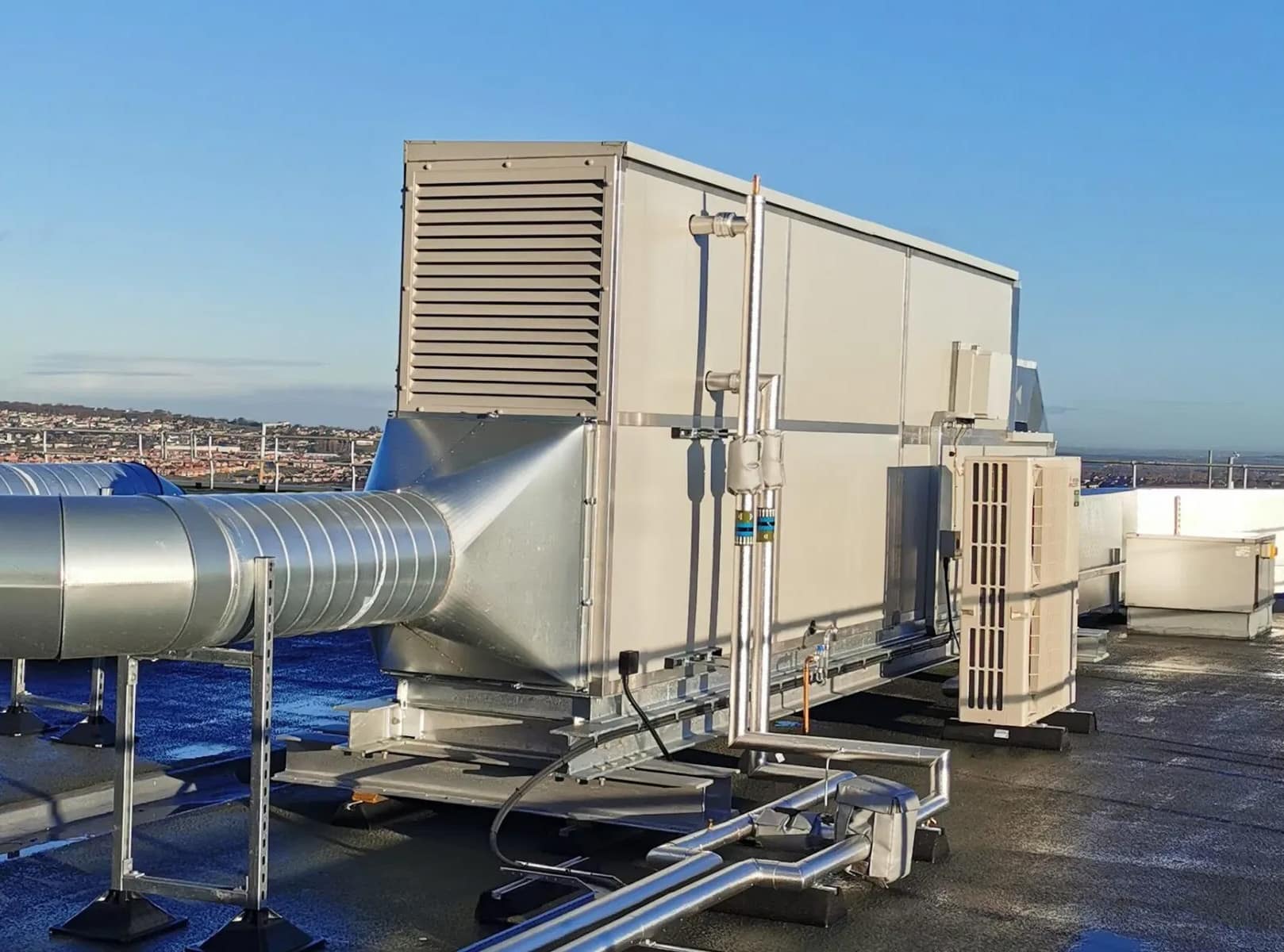
Refurbishment of AHUs (Air Handling Units) and FAHUs (Fresh Air Handling Units) involves restoring, upgrading, or replacing key components to improve performance, efficiency, and extend the lifespan of the units. This is an excellent option when these units are older, inefficient, or require significant maintenance but are otherwise still structurally sound.
Below is a detailed guide to the refurbishment process for AHUs and FAHUs, covering what’s involved, benefits, and key considerations:
1. Refurbishment of AHUs (Air Handling Units)
Air Handling Units (AHUs) are central to HVAC systems, responsible for circulating and conditioning air in commercial, industrial, and residential buildings. Over time, these units face inefficient performance, component wear, or outdated technology—making refurbishment a cost-effective alternative to replacement.
Refurbishment Process for AHUs:
-
Site Survey and Assessment:
-
Initial Inspection: Thoroughly inspect AHU components (fans, coils, filters, motors, dampers, insulation, ducting) to assess damage or wear.
-
Performance Evaluation: Test airflow, pressure drop, temperature, humidity, and energy use to determine which components need work.
-
Structural Integrity Check: Assess the casing, insulation, and frame to ensure the unit can be refurbished.
-
-
Component Replacement/Repair:
-
Fans and Motors: Replace or repair and consider upgrading to energy-efficient motors or variable-speed drives.
-
Coils: Clean, repair, or replace dirty, clogged, or damaged coils to enhance heat transfer efficiency.
-
Filters: Replace old or damaged filters with high-efficiency versions for better indoor air quality and efficiency.
-
Dampers & Actuators: Repair or replace to ensure air control and balancing.
-
Insulation & Seals: Replace worn materials to cut energy losses and prevent air leaks.
-
Refrigerant Lines & Valves: Check for leaks or damage and replace as needed.
-
-
Upgrades to Improve Efficiency:
-
Add or enhance Energy Recovery Systems (ERS), like ERVs or heat recovery to capture waste heat and pre-condition incoming air.
-
Install or upgrade Variable Speed Drives (VSD) for fans to adjust airflow based on real demand, saving energy.
-
Upgrade Control Systems/Automation: Integrate with Building Management Systems (BMS), smart sensors, humidity and temperature controls.
-
-
Cleaning and Maintenance:
-
Deep clean the entire unit: coils, fans, ducts, and other internal parts to remove dust and microbes.
-
Microbial Control: Add UV lights or antimicrobial coatings.
-
-
Testing & Commissioning:
-
Test post-refurbishment to ensure airflow, pressure, temperature, and humidity meet required performance.
-
Validate energy efficiency improvements with energy consumption tests.
-
2. Refurbishment of FAHUs (Fresh Air Handling Units)
Fresh Air Handling Units (FAHUs) are specialized AHUs for bringing fresh outdoor air into a building, crucial for ventilation. Refurbishment addresses similar needs as for AHUs, particularly for buildings requiring higher ventilation or IAQ standards.
Refurbishment Process for FAHUs:
-
Site Survey and Assessment:
-
Condition Evaluation: Inspect for issues with fresh air intake, filtration, and humidity.
-
Airflow & Pressure Testing: Ensure ventilation standards are met.
-
Compliance Check: Make sure FAHU meets updated codes for air quality, efficiency, and safety.
-
-
Component Replacement/Repair:
-
Filters: Replace, and consider high-efficiency (HEPA) or UV-C filters for microbial control.
-
Coils: Check, clean, or replace if used for temperature control.
-
Heat Exchangers (if present): Check and clean for efficient energy recovery.
-
Fan Motors/Fans: Repair or replace; adjust for required airflow.
-
Dampers & VAVs: Inspect and repair for proper ventilation control.
-
-
Energy Efficiency Enhancements:
-
Add or upgrade energy/heat recovery systems (HRVs/ERVs).
-
Use variable speed drives for optimal fan energy use.
-
Upgrade automation with CO₂ or humidity controls.
-
-
Cleaning & Maintenance:
-
Clean all internal parts.
-
Deodorize and treat for microbes (e.g., UV-C).
-
-
Testing & Commissioning:
-
Test to verify air output matches needs for temperature, humidity, and filtration.
-
Test and measure indoor air quality for compliance.
-