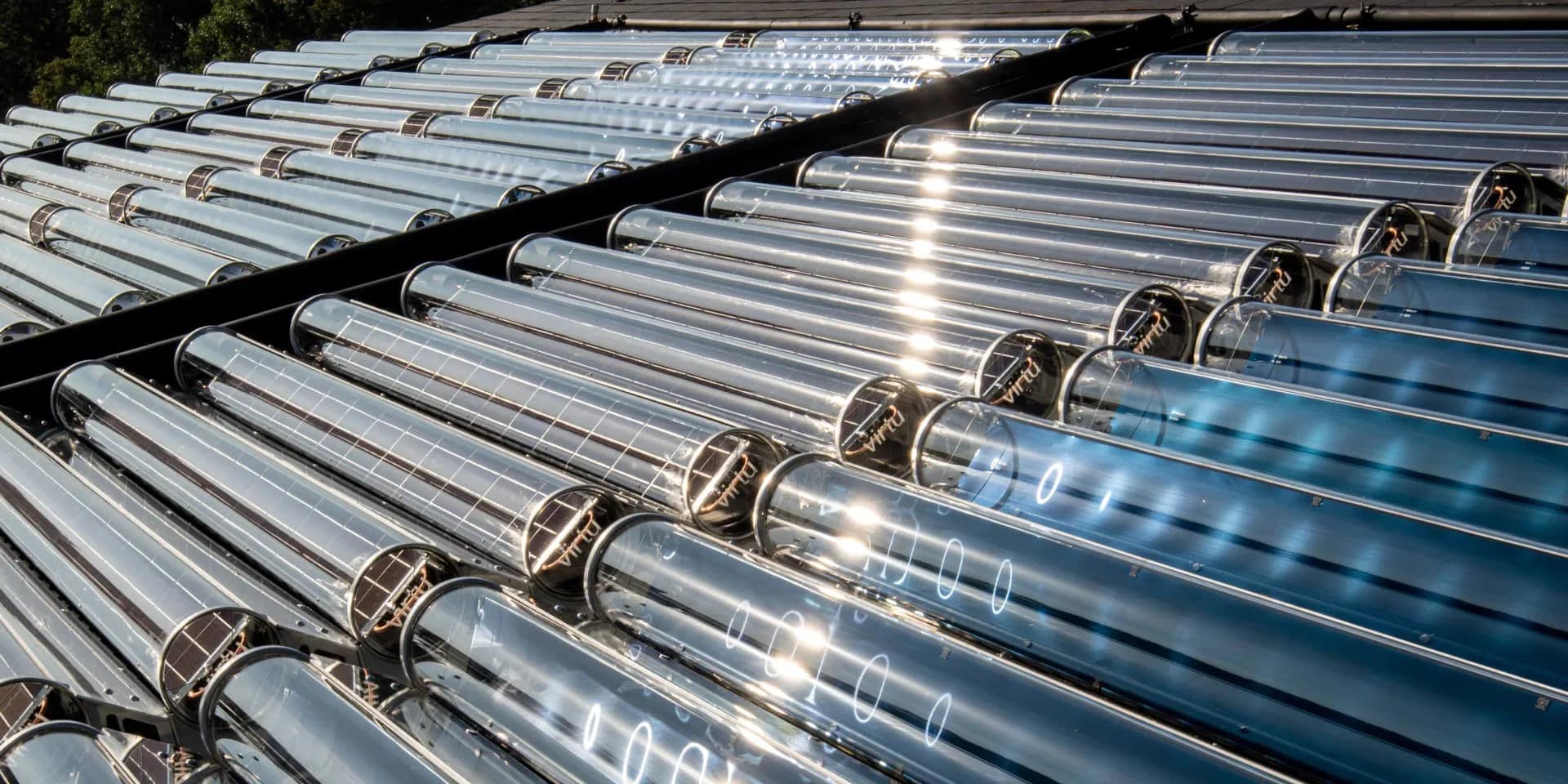


Heat Pipe Services
The Heat Pipe is a passive thermal device used to transfer heat from one air stream to another (typically in energy recovery systems), helping to optimize cooling or heating load.
1. Repair vs Replacement:
-
Repair:
-
Leaks or blockages in the heat pipe can often be repaired by welding or sealing the leaks and flushing the system to clear blockages.
-
If the insulation around the pipe is damaged, it can be repaired or replaced.
-
Recharging the refrigerant may be needed if the system is losing efficiency due to low refrigerant levels.
-
-
Replacement:
-
If the pipe structure is corroded or beyond repair (e.g., extensive damage or leaks), it is typically more cost-effective to replace it.
-
If the heat pipe is old and performance degradation is irreversible, replacement is recommended.
-
2.Repair Process:
-
Leak Detection: Use nitrogen pressure testing or dye injection to detect leaks in the heat pipe.
-
Welding/Sealing: Repair any leaks by welding or using appropriate sealants.
-
Flushing: Flush the internal channels to clear any blockages (dirt, scale, etc.).
-
Recharging Fluid: Recharge the system with the appropriate heat transfer fluid or refrigerant.
-
Testing: Perform performance tests to verify the heat pipe’s efficiency.
3. Replacement Process:
-
Removal of Old Pipe: Carefully remove the damaged heat pipe.
-
Install New Heat Pipe: Position and connect the new heat pipe to the existing system.
-
Re-charge Fluid: Ensure that the new system is properly charged with the required heat transfer medium.
-
Testing: Perform tests to check for efficient heat transfer and operational performance.