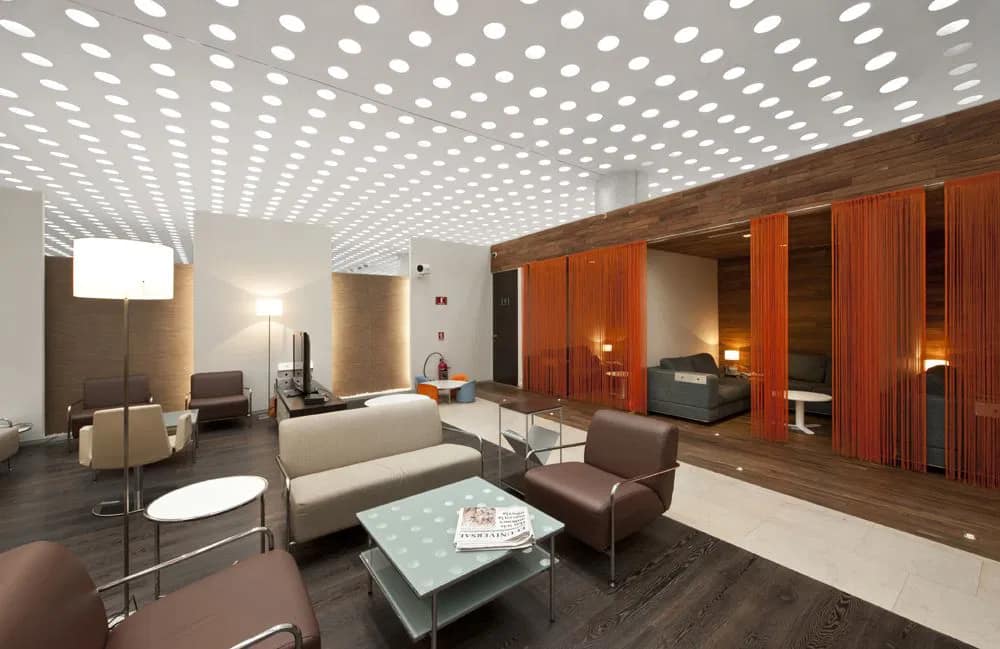


LED Lighting
LED (Light Emitting Diode) lighting has become a preferred choice for various lighting applications due to its energy efficiency, longevity, and environmental benefits. Whether for residential, commercial, or industrial environments, the adoption of LED lighting solutions provides both cost savings and enhanced lighting quality.
1. Supply of LED Lighting Products
After the design phase, the supply of LED products involves sourcing high-quality, reliable fixtures and bulbs to meet the project's needs.
Common Types of LED Lighting Fixtures:
-
LED Bulbs and Lamps: Replacements for traditional incandescent, halogen, and CFL bulbs. Available in various shapes, wattages, and bases (e.g., E27, GU10).
-
LED Downlights: Recessed ceiling-mounted lights for ambient lighting in residential, commercial, and office environments.
-
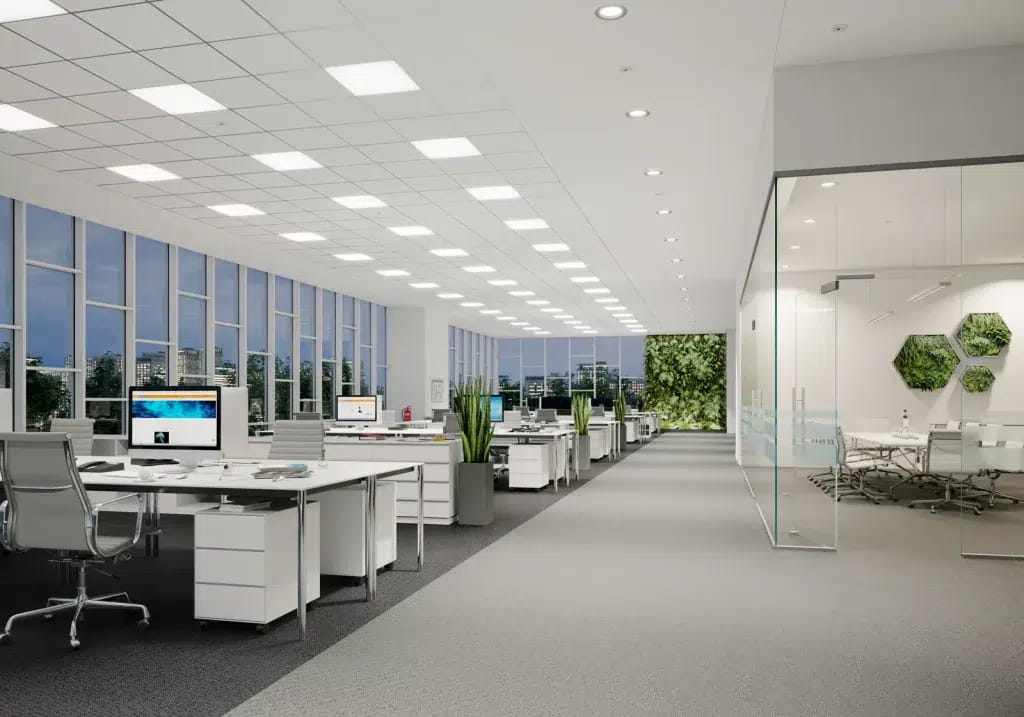
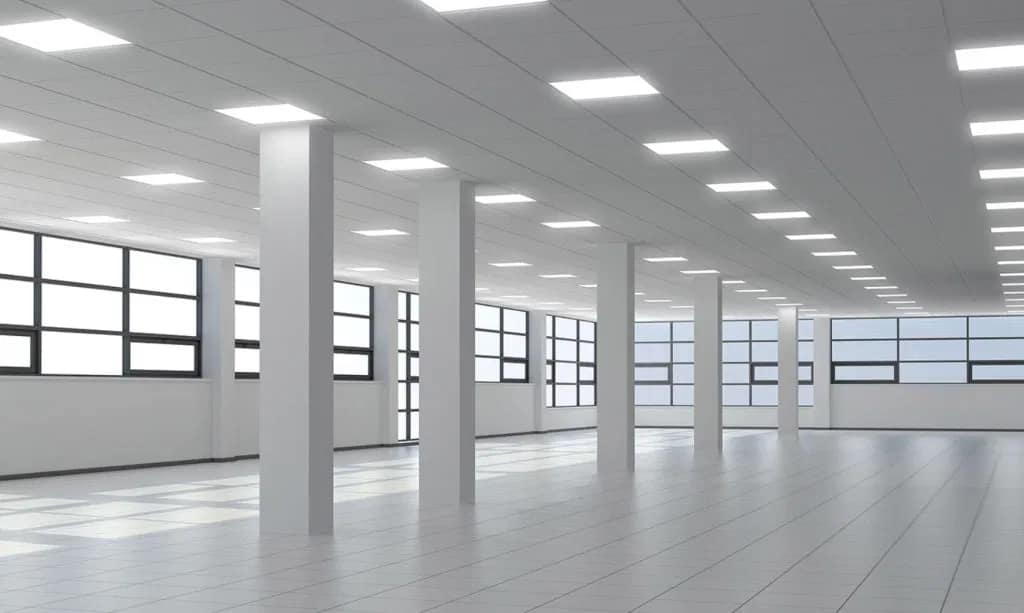
LED Panels: Flat panel lights for even illumination, typically used in commercial spaces, offices, and schools.
-
LED Tubes: Energy-efficient replacements for fluorescent tubes, commonly used in offices, workshops, and retail stores.
-
LED Streetlights and Floodlights: High brightness outdoor lights for street lighting, parking lots, and security lighting.
-
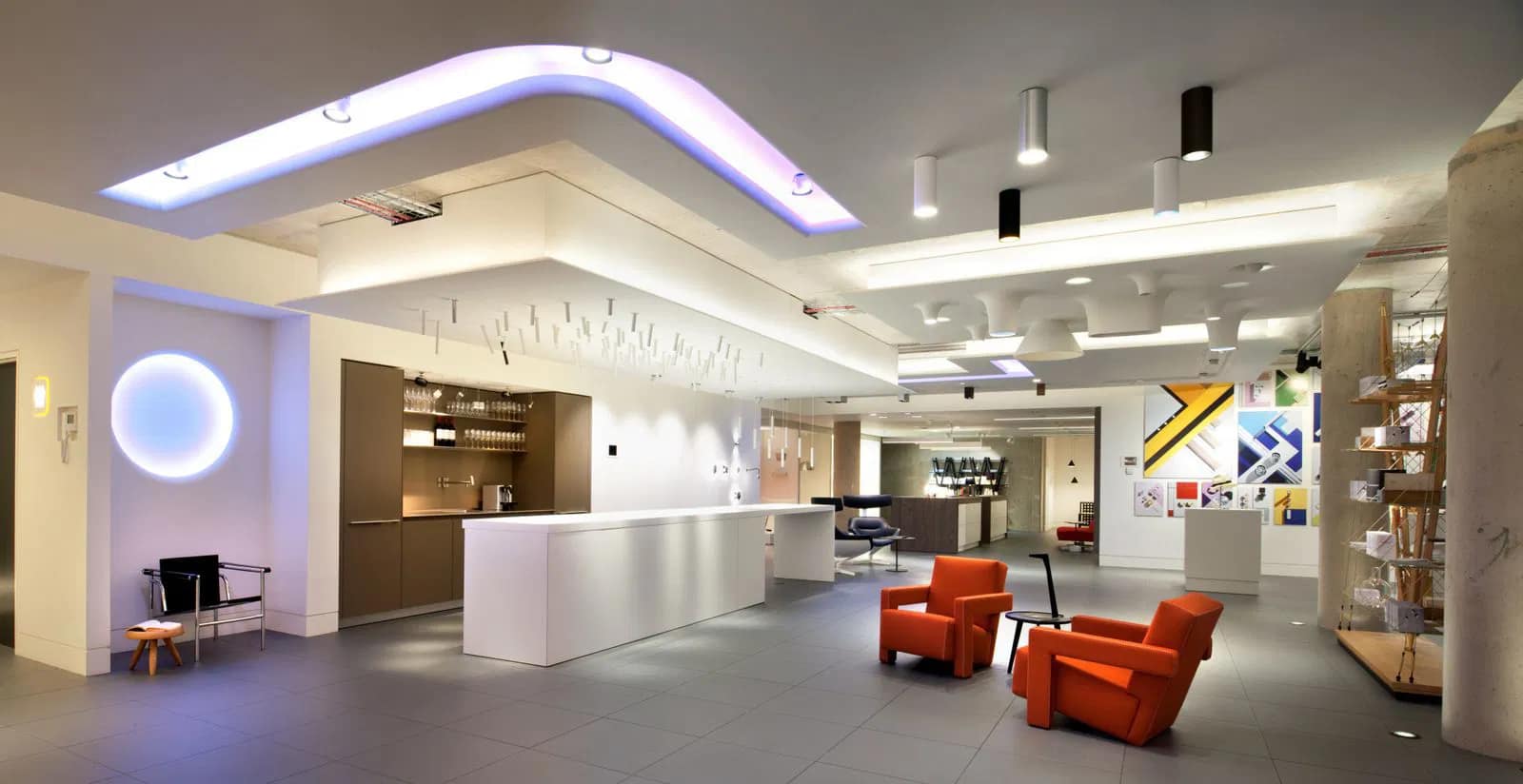
LED Track Lights: Accent lighting used to highlight displays in retail spaces, galleries, and museums.
-
LED Strip Lights: Flexible strips for decorative lighting effects—under cabinets, staircases, etc.
-
LED High-Bay and Low-Bay Lights: For large indoor spaces like warehouses, factories, gyms, and retail areas.
-
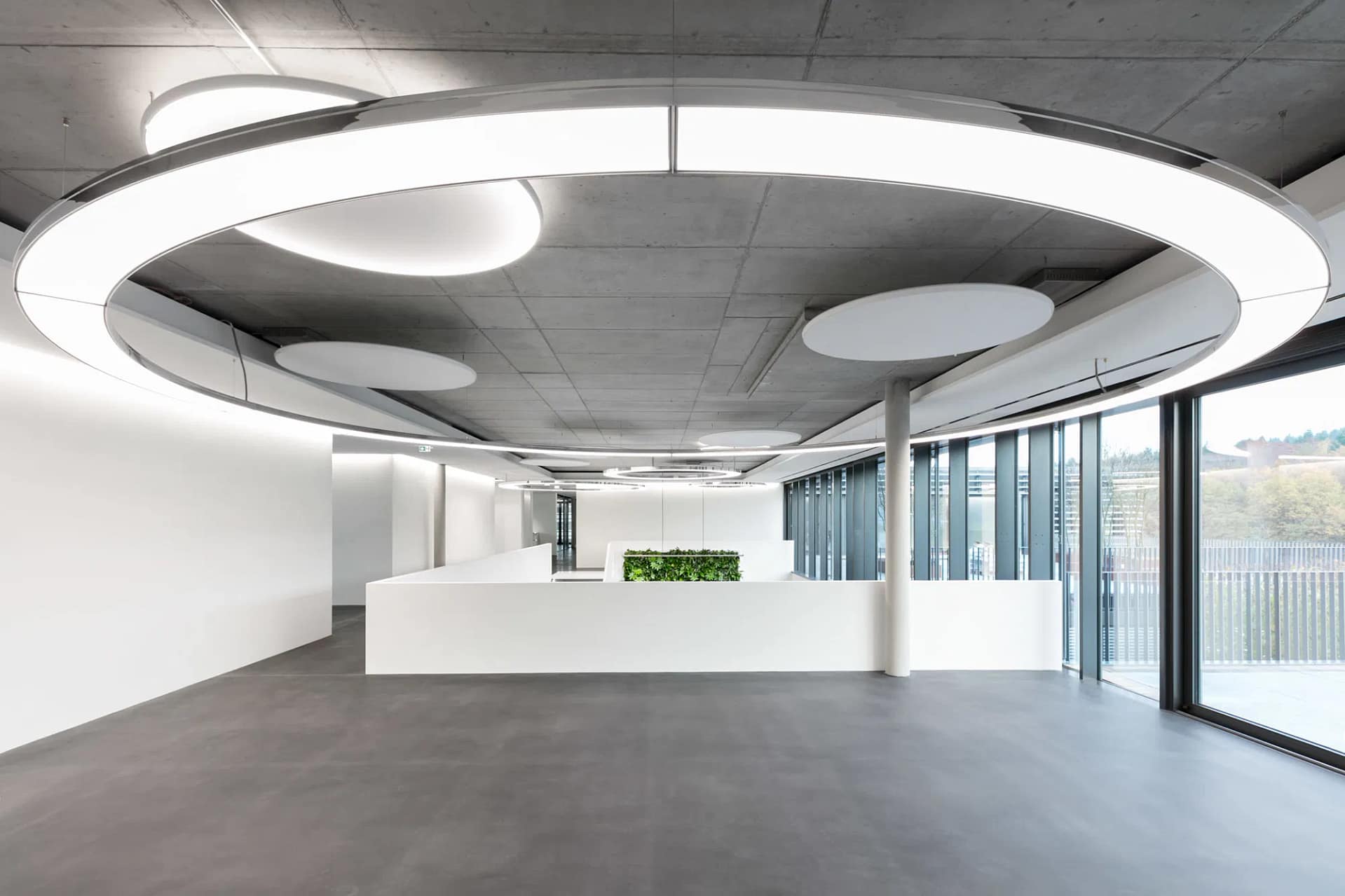
LED Chandeliers and Pendant Lights: Decorative LED fixtures for residential, hospitality, and commercial spaces.
-
Smart LED Lights: Integrated with smart technologies (Wi-Fi/Bluetooth), allowing remote control via mobile apps or voice assistants.
LED Lighting Manufacturers & Suppliers:
-
Trusted brands include Philips, Osram, Cree, GE Lighting, Acuity Brands, Zumtobel, and more.
-
Products feature warranties, certifications (e.g., CE, UL), and compliance with electrical standards.
2. Installation of LED Lighting
Proper installation is essential to maximize efficiency, performance, and safety.
Key Steps:
-
Pre-Installation Site Assessment: Survey layout, space needs, and electrical setup.
-
Electrical Requirements: Ensure wiring supports new LED lights; may need upgrades in older buildings.
-
Mounting Fixtures: Drill for recessed lights, position wall/ceiling/pendant/track lights, weatherproof outdoor installations.
-
Wiring and Power Connection: Use correct cables/connectors; ensure compatibility for dimmable systems.
-
Integration of Smart Controls: Install motion sensors, timers, smart hubs, and test all smart systems.
-
Testing and Calibration: Verify operation, brightness, color temperature, and functionality.
-
Post-Installation Review: Ensure uniform light coverage, proper aesthetics, and user satisfaction.