
Control Panel Solutions
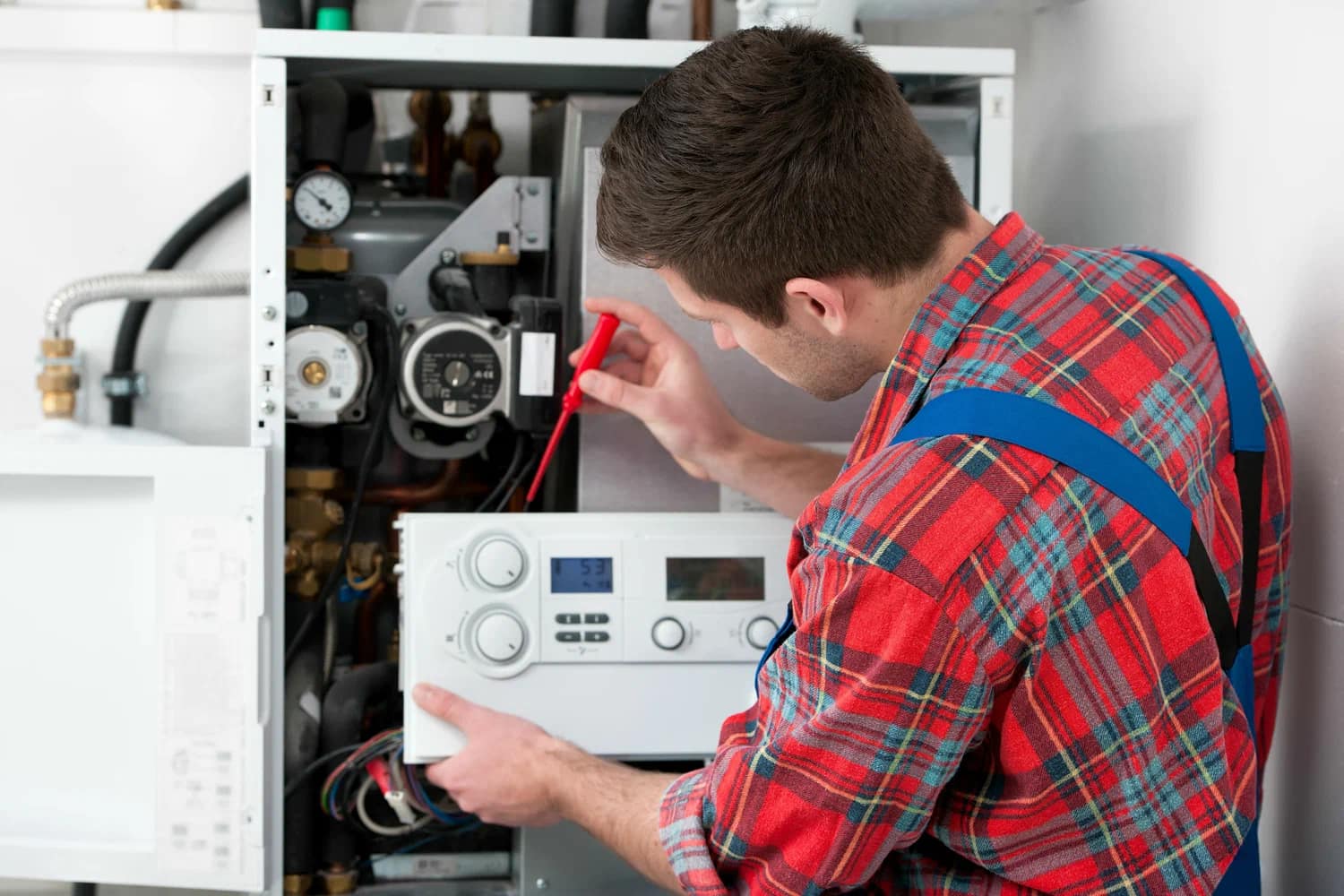
Control Panels is a critical component in modern HVAC systems, industrial machinery, and other automated systems. Control panels manage the electrical distribution and control functions.
When issues arise, understanding when to repair and when to replace this component is key to ensuring system uptime, efficiency, and cost-effectiveness.
Control Panels
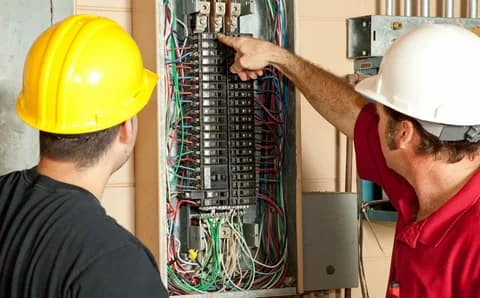
Control panels house the electrical components, relays, circuit breakers, and other devices that manage the operation of HVAC systems or industrial machines. A malfunctioning control panel can lead to system outages, equipment failure, or safety hazards.
1. Repair vs Replacement:
-
Repair:
-
Minor electrical issues like a tripped breaker, blown fuse, or faulty relay can often be repaired.
-
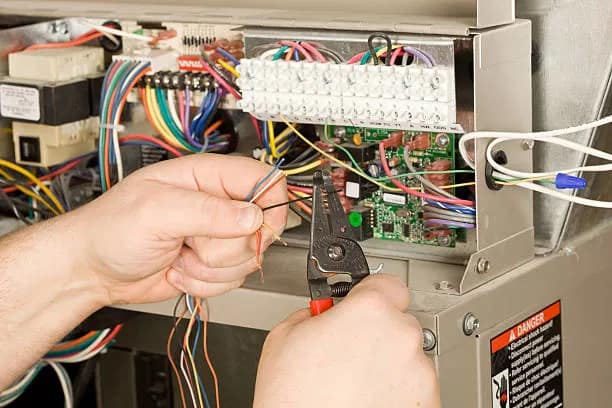
Wiring issues such as loose connections, exposed wiring, or poor terminations can be fixed by tightening connections or re-wiring.
-
Component-level failure (e.g., a faulty switch, relay, or contactor) can often be replaced without needing to replace the entire panel.
-
Control board malfunctions (if the issue is isolated to a single board or component) may require repairing or replacing the board.
-
Corrosion or dirt buildup on electrical connections can be cleaned, reducing the risk of failures.
-
-
Replacement:
-
Severe electrical damage (e.g., burned components, melted wiring) from overloads or short circuits may render the control panel unsafe or inefficient to repair, necessitating replacement.
-
Outdated technology: If the panel is equipped with old, obsolete components that are no longer supported, replacement might be necessary to ensure continued operation and compliance with modern standards.
-
Structural damage: If the control panel casing is severely damaged, cracked, or compromised, it may need to be replaced.
-
Complete system failure: If multiple components in the panel have failed and repairing them is uneconomical or impractical, replacing the panel entirely is often more cost-effective.
-
2.Repair Process:
-
Diagnosis: Visually inspect the control panel for signs of burning, discoloration, or loose connections. Use a multimeter to test for continuity, voltage, and current in components.
-
Component Identification: Identify malfunctioning components like relays, fuses, circuit breakers, or control boards.
-
Component Replacement: Replace any damaged or faulty components, such as contactors, fuses, relays, and breakers. For control boards or PLCs, test each input/output and consider replacing the board if it cannot be repaired.
-
Wiring and Connection Checks: Tighten or re-wire any loose or corroded connections.
-
Testing: After the repair, test the panel under load to ensure proper operation and functionality.
3. Replacement Process:
-
Shut Down Power: Ensure the system is powered off and disconnected before removing the faulty panel.
-
Remove Old Panel: Disconnect the electrical supply, wiring, and mounting screws to remove the existing control panel.
-
Install New Control Panel: Install the new control panel in place, ensuring it is securely mounted and properly aligned.
-
Wiring & Connection: Connect the incoming power supply and all external control connections (motors, sensors, etc.) to the new panel.
-
Testing: Once the new panel is installed and connected, power it up and run diagnostic tests to ensure all components are functioning correctly.