

Dehumidifier Systems
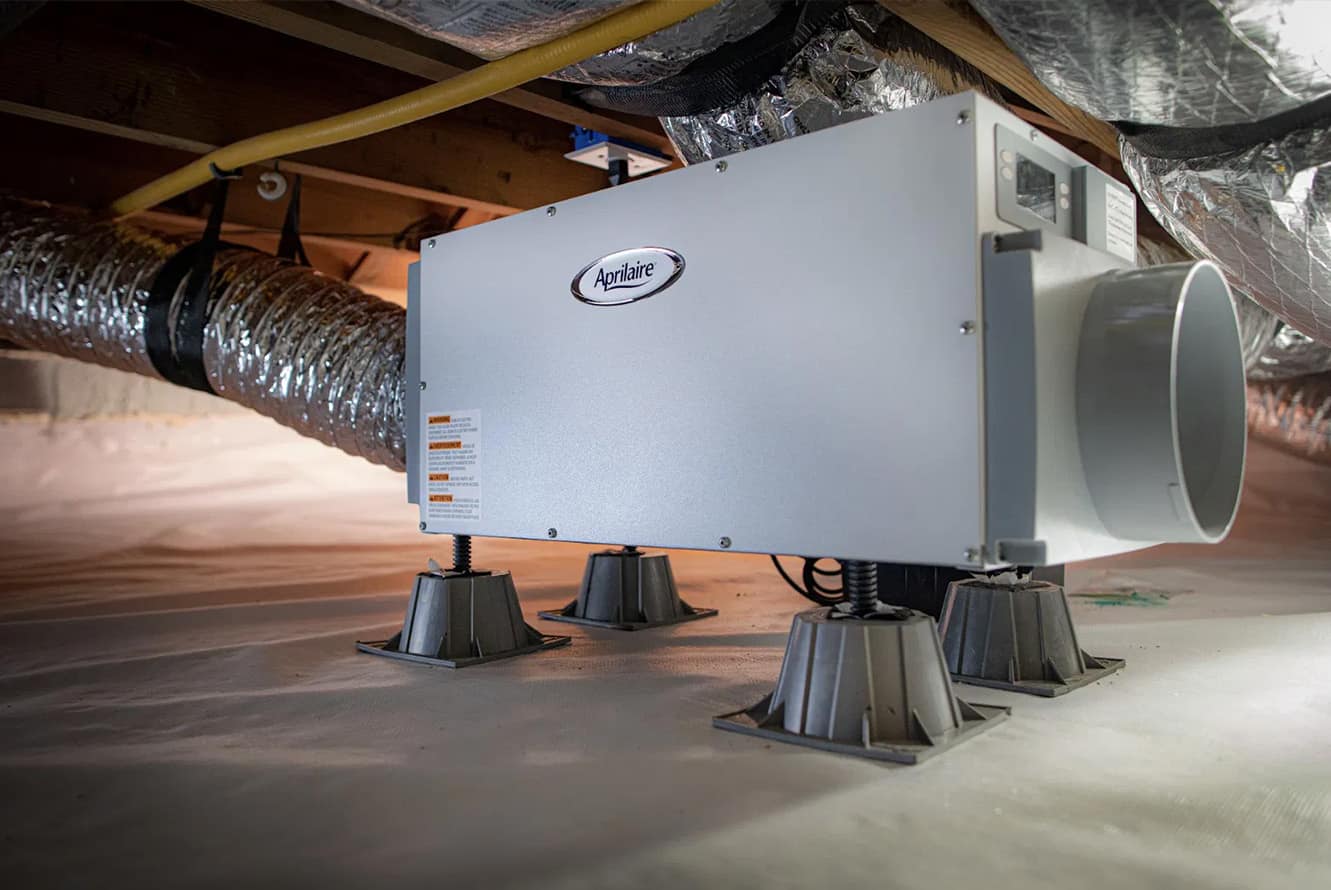
Dehumidifiers are essential components for controlling humidity in commercial, industrial, and residential spaces. They help reduce excess moisture, prevent mold growth, improve comfort, and protect sensitive equipment.
1. Dehumidifier Design
-
Space and Size Requirements: Measure the square footage/volume, ceiling height, and consider airflow patterns.
-
Humidity Level: Assess current and required humidity; aim for 30–50% relative humidity.
-
Environmental Conditions: Temperature, ventilation systems, and airflow.
-
Application Type: Residential (quiet, energy-efficient), commercial (large capacity), industrial (robust), and specialized applications (precise control for museums, libraries, data centers, etc.).
-
Drainage and Condensation Management: Decide between gravity drainage or pumped drainage; consider tank capacity.
-
Energy Efficiency: Select models with high Energy Star ratings for lower operating costs.
-
Noise Levels: Low decibel operation for noise-sensitive environments.
Dehumidifier models:
-
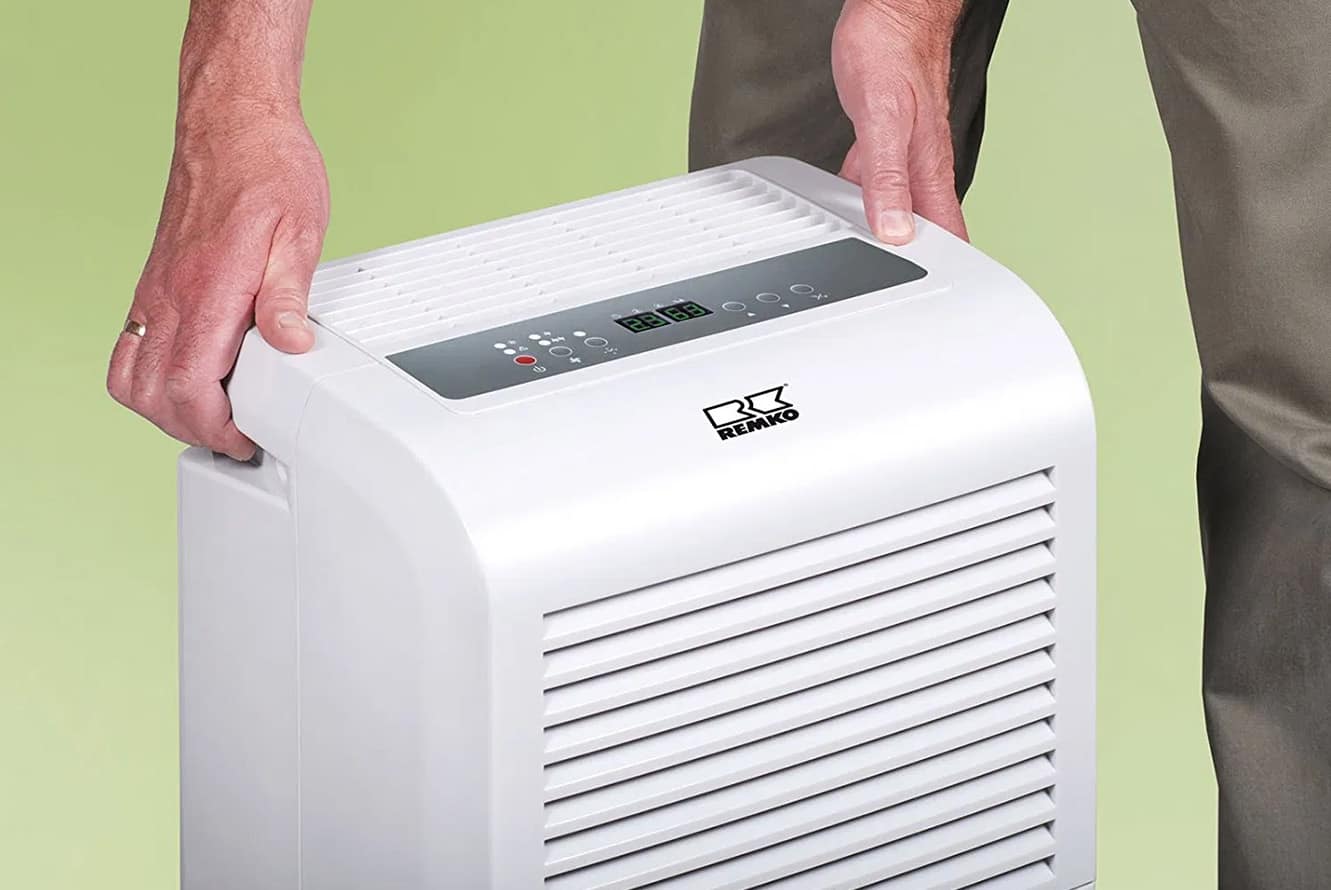
Portable (for small spaces)
-
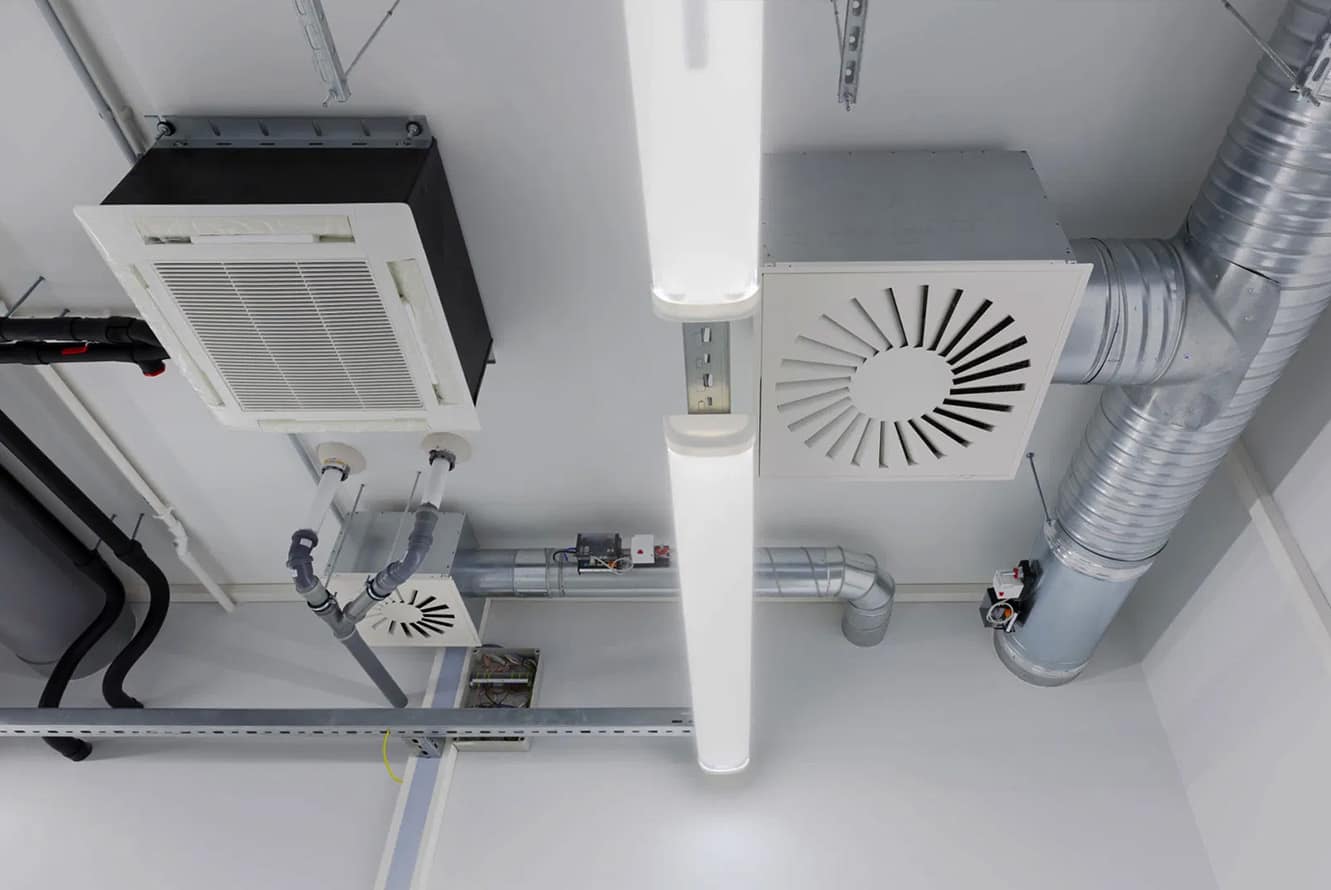
Wall/ceiling-mounted (space-saving)
-
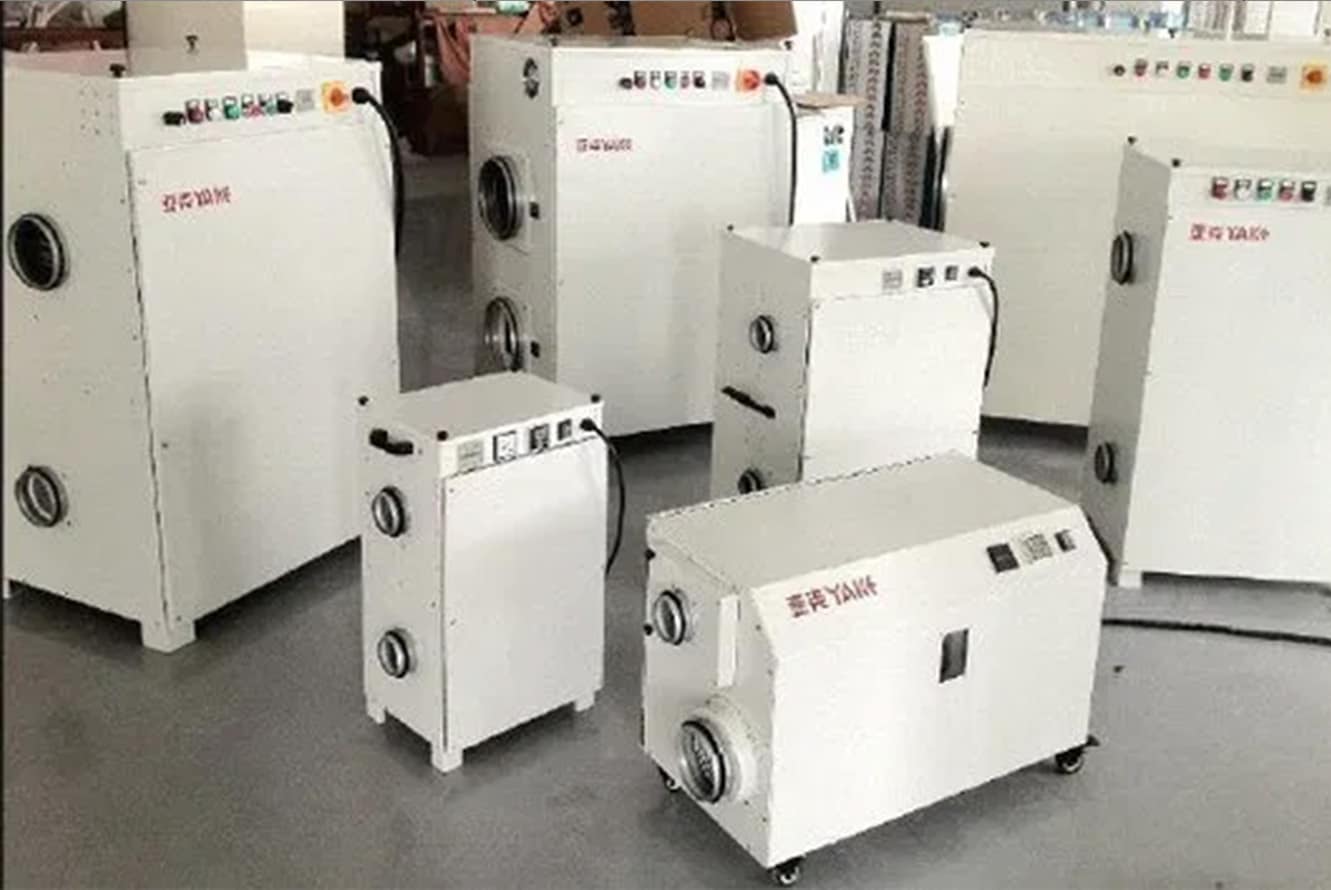
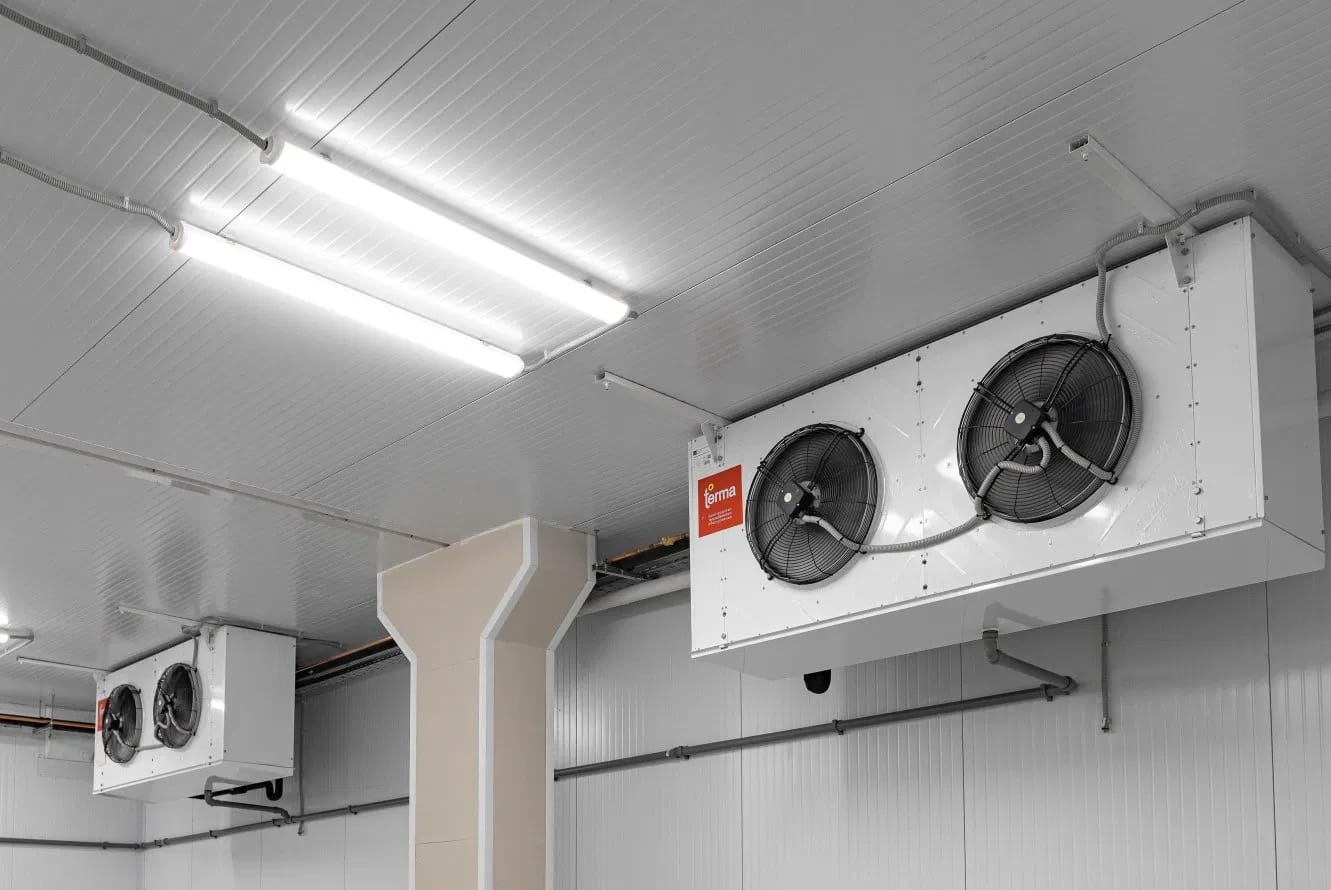
Industrial (large capacity, advanced controls)
-
Desiccant (for cold or specialty environments)
2. Supply of Dehumidifiers
-
Procurement: Source from reputable manufacturers with needed certifications.
-
Quality Assurance: Warranty and electrical/safety certifications.
-
Custom Solutions: Multi-unit or specialized systems.
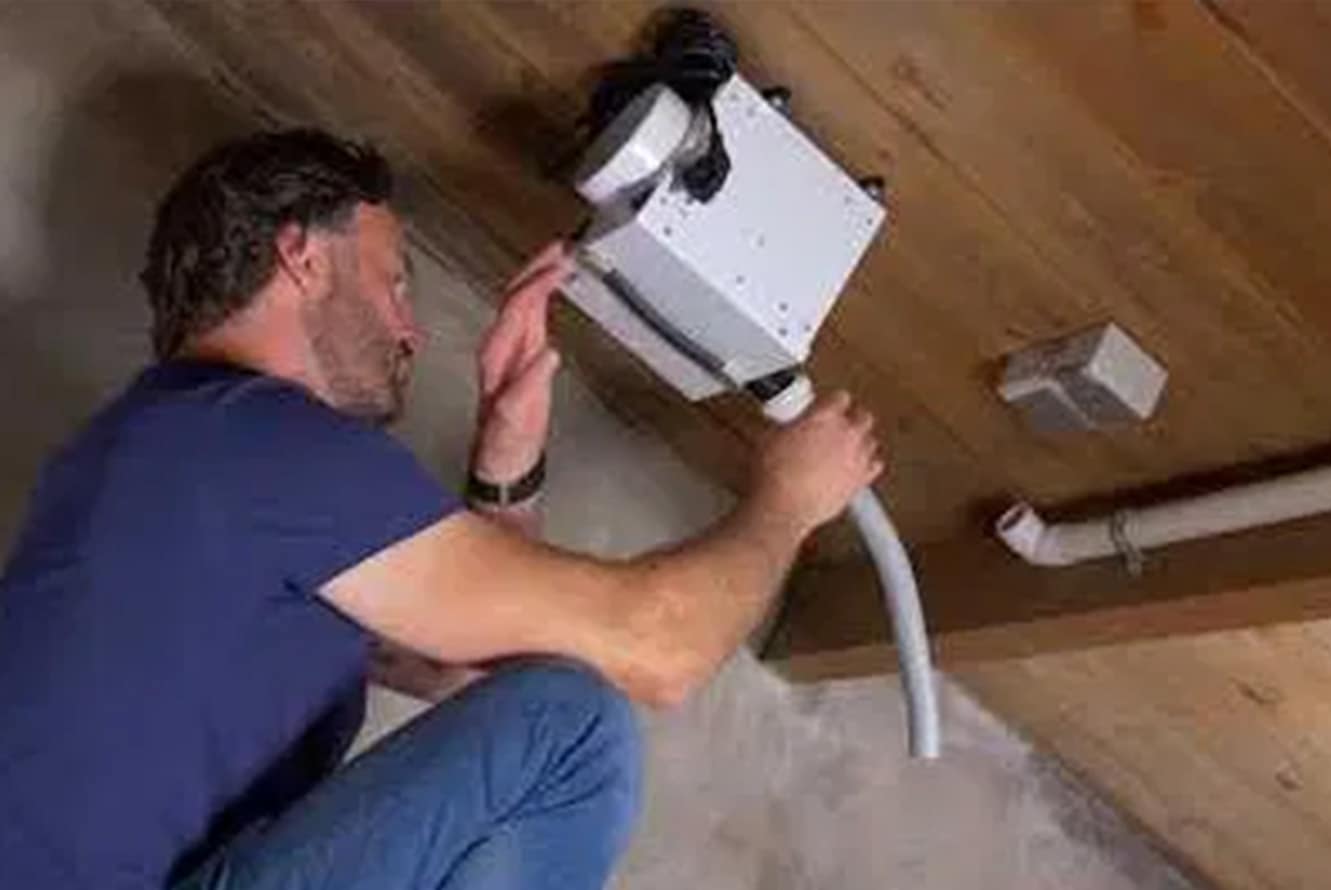
3. Installation of Dehumidifiers
-
Site Evaluation: Proper location, airflow, and drainage.
-
Electrical Connections: Match voltage/current requirements; dedicated circuits for large units.
-
Positioning: Ensure unobstructed air intake/exhaust.
-
Drainage Setup: Correct slope for gravity drain or pumped system.
-
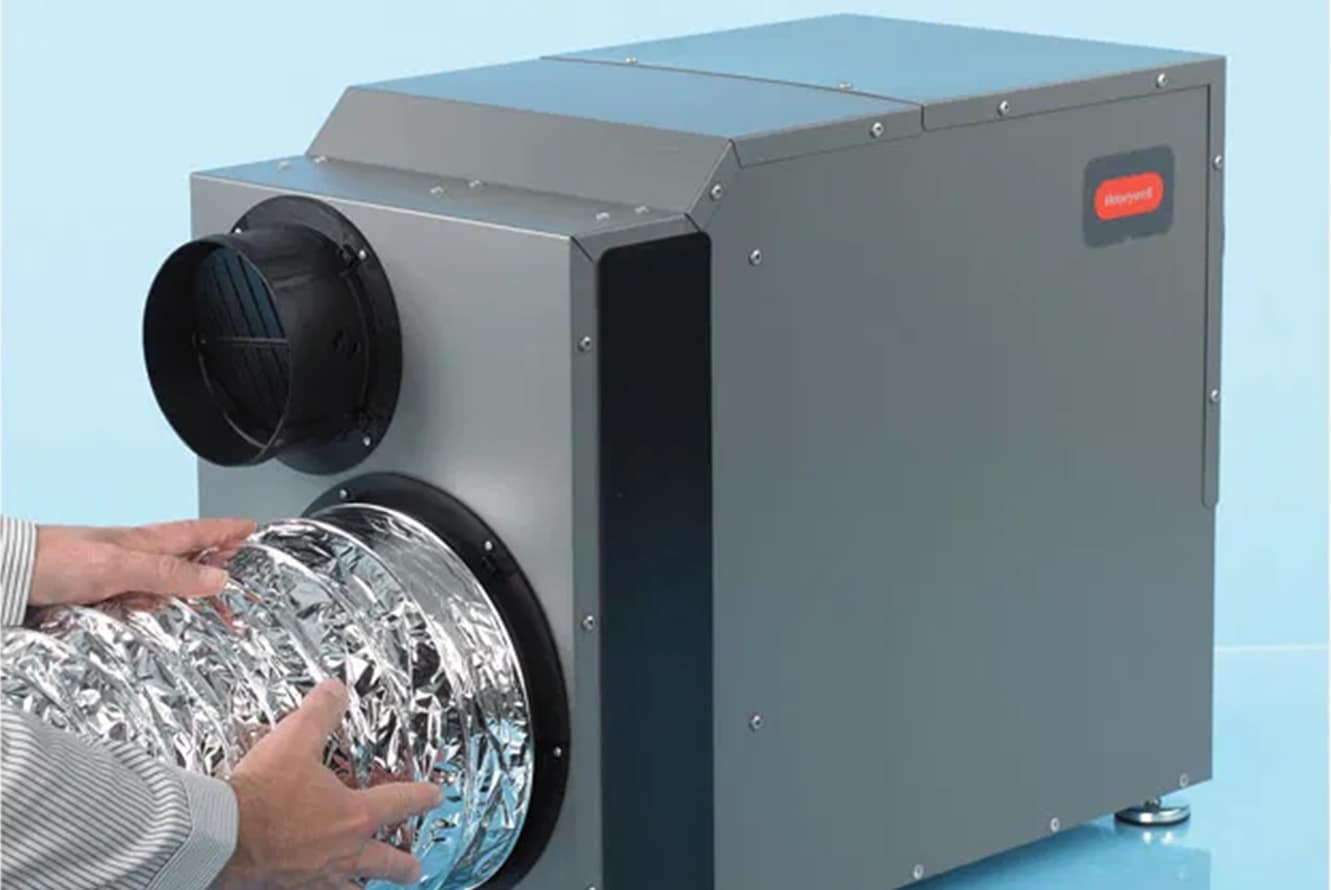
Airflow/Ducting: For ducted units, install and seal ducts.
-
System Configuration: Program desired humidity, control panels, and sensors.
-
Testing: Verify operation and desired humidity levels.
4. Maintenance and Support Services
-
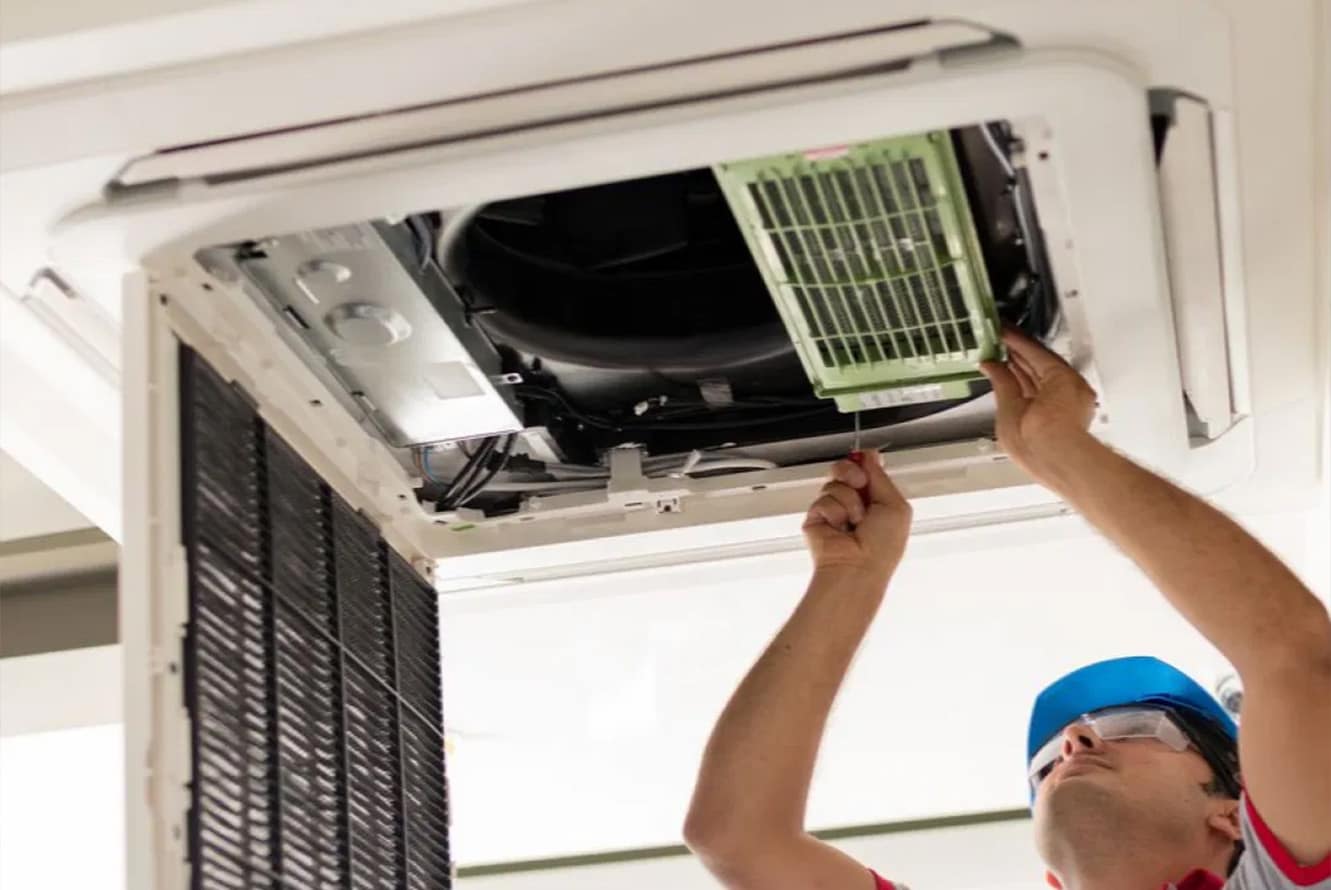
Routine Inspections: Clean filters, check for leaks/drainage, maintain air quality.
-
Calibration/Testing: Ensure set humidity range and proper operation.
-
Repairs: Replace faulty components.
-
System Monitoring: Remote diagnostics for large/critical systems.