

PRV & Safety Valve Installation
Sales, service, and maintenance of Pressure Relief Valves (PRV), Safety Valves, and Pressure Gauges are crucial for ensuring the safety, efficiency, and reliability of pressurized systems, especially in industrial and HVAC applications. Here’s a detailed overview of these components:
1. Pressure Relief Valves
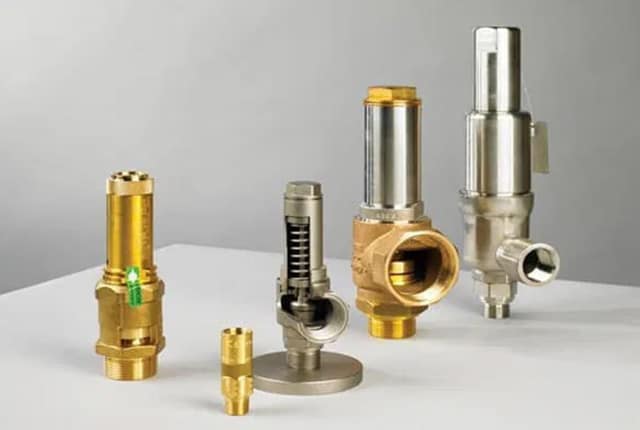
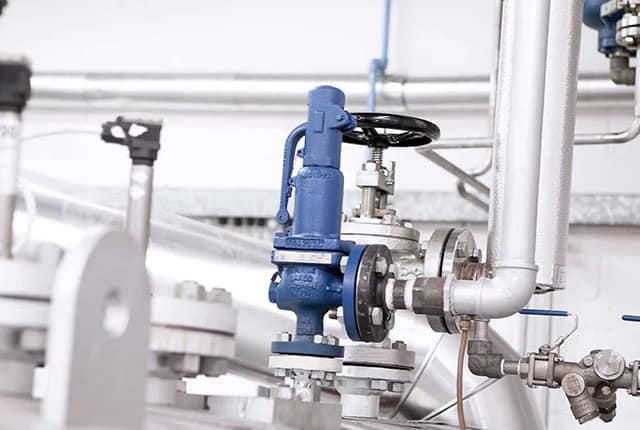
A Pressure Relief Valve (PRV) is a critical safety device designed to protect pressurized systems from overpressure that could lead to catastrophic failure. When the pressure in a system exceeds a preset limit, the PRV opens to release excess pressure, preventing damage to equipment and ensuring safe operation.
Sales:
-
Types:
-
Spring-loaded PRVs: Most common, use a spring mechanism to keep the valve closed until a specific pressure threshold is exceeded.
-
Pilot-operated PRVs: Used for larger systems and higher pressures; pilot valve controls the opening of the main valve.
-
Balanced Spring PRVs: Reduce effects of backpressure or fluctuating system pressure.
-
-
Applications: Steam boilers, hydraulic systems, refrigeration, compressed air systems.
-
Materials: Stainless steel, brass, carbon steel, chosen for corrosion resistance, temperature, and environment.
-
Pressure Ratings: Selected based on system’s operating pressure and safety margin.
2. Safety Valves
Safety valves are primarily designed to protect vessels, pipelines, and equipment from overpressure by automatically releasing pressure in emergencies. Used in systems where safety is paramount.
Sales:
-
Types:
-
Spring-loaded Safety Valves: Used in steam, air, gas systems; open at a preset pressure and close below the set value.
-
Pneumatically Operated Safety Valves: For automated control systems.
-
Thermodynamic Safety Valves: Designed for high-pressure steam systems.
-
-
Applications: Boilers, pressure vessels, natural gas pipelines, refrigeration systems.
-
Materials: Stainless steel, carbon steel, high-strength materials for high pressure/temperature.
-
Pressure Ratings: Must match the system’s maximum allowable working pressure (MAWP).
Service & Maintenance:
-
Periodic testing (bench/field test)
-
Cleaning for dirt, scale, corrosion on sealing surfaces
-
Inspection of the seating surface for wear/damage
-
Recalibration and adjustment for correct pressure release settings
3. Pressure Gauges
Pressure gauges measure the pressure of gases or liquids. They can be analog (mechanical) or digital and are vital for monitoring system pressure for safe and efficient operation.
Sales:
-
Types:
-
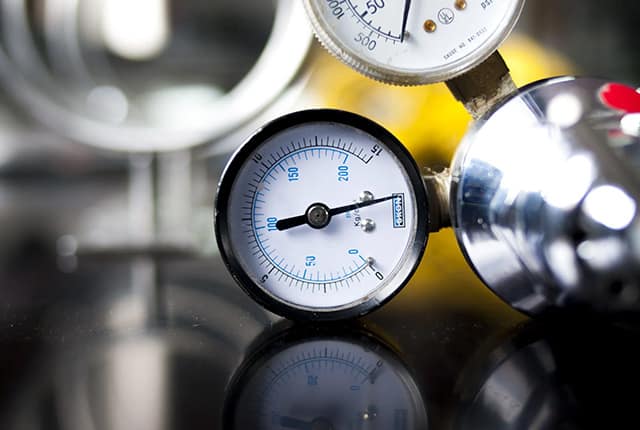
Bourdon Tube Gauges: Most common; curved tube straightens as pressure increases, moves a needle on a scale.
-
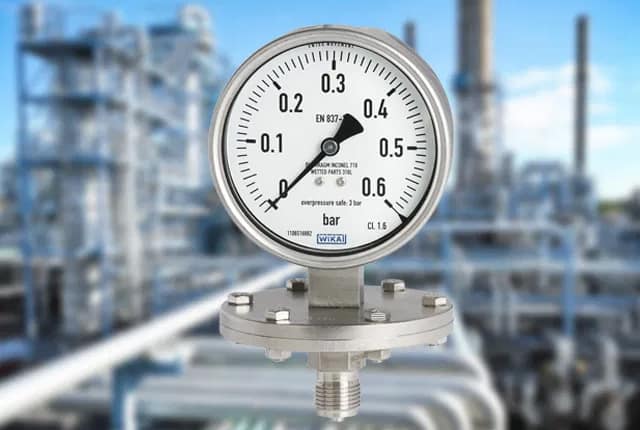
Diaphragm Pressure Gauges: For low-pressure applications; use a diaphragm.
-
Digital Pressure Gauges: Accurate and easy to read for high-precision needs.
-
Manometers: Measure very low pressures (inches of water column).
-
Differential Pressure Gauges: Measure pressure difference between two points, useful for filters and pumps.
-
-
Applications: HVAC systems (monitoring refrigerant and air handling pressures), boilers/steam systems, hydraulic/pneumatic systems, chemical/petrochemical/manufacturing processes.
-
Materials: Stainless steel, brass, plastic depending on environment needs.
Service & Maintenance:
-
Regular calibration (comparison against standards/dead-weight tester)
-
Inspection for physical damage, corrosion, leaking seals
-
Cleaning for debris/corrosion buildup
-
Periodic pressure testing
-
Replacement after a certain period for accuracy and safety